



Consultations in Vile Parle • Andheri East • Andheri West, Mumbai
Prior Appointment Mandatory
Call - 8779087648
Rhinoplasty patient profile evaluation - Dr. Varun Jitendra Dave
ENT Consultant • Clinical Practice in India & UK

Rhinoplasty Surgeon in Mumbai – Dr. Varun Jitendra Dave

Cosmetic & Functional Nose Reshaping Surgery in Mumbai

Consult Dr. Varun Jitendra Dave, an ENT Consultant with clinical experience in India and the UK, for rhinoplasty evaluation and surgical planning in Mumbai.

Dr. Varun Dave evaluates both the external appearance and internal anatomy of the nose to develop an individualised treatment plan based on each patient's needs, facial proportions and expectations.

Mumbai Consultation Centres:
Vile Parle West • Andheri East • Andheri West
10+ Years ENT Clinical Experience
India & UK International Practice Exposure
NHS England Stated Independent Certification
3 Centres Vile Parle & Andheri Clinics
Doctor Profile

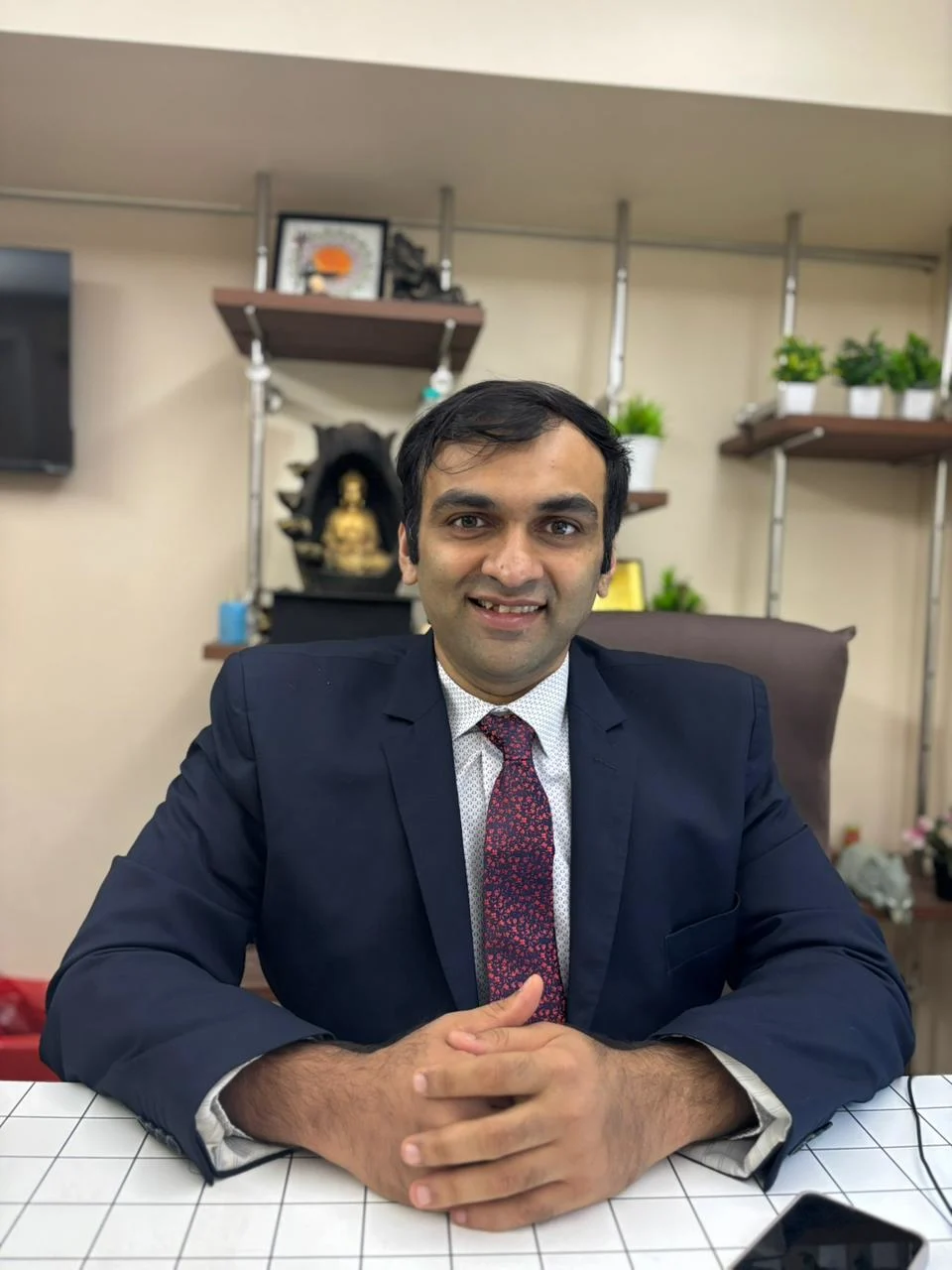
Meet Dr. Varun Jitendra Dave – Rhinoplasty Surgeon in Mumbai

Comprehensive ENT surgical evaluation combining facial aesthetics with internal airway integrity.

Dr. Varun Jitendra Dave, ENT consultant providing rhinoplasty consultations in Mumbai
ENT Consultant & Cochlear Implant Specialist

Dr. Varun Jitendra Dave is an ENT Consultant and Cochlear Implant Specialist with over a decade of clinical experience across India and the United Kingdom.

His clinical background includes the evaluation and surgical management of conditions affecting the ear, nose and throat. His stated professional credentials include NHS England certification to independently perform cochlear implant surgery and rhinoplasty.

For patients considering rhinoplasty in Mumbai, Dr. Varun Dave assesses nasal structure, facial proportions and breathing function before discussing appropriate surgical options.

His Approach to Rhinoplasty Planning

Dr. Varun Dave adheres to an individualized clinical protocol designed to ensure anatomical safety and balanced outcomes:

  • Evaluating the nose in relation to overall facial proportions.
  • Identifying structural causes of nasal obstruction.
  • Understanding the patient's cosmetic concerns and expectations.
  • Discussing suitable surgical techniques and their limitations.
  • Explaining possible risks, recovery and anticipated outcomes.
  • Considering both appearance and nasal function when planning surgery.
“The aim is to establish whether rhinoplasty is medically and personally appropriate for the patient, rather than recommending surgery for every cosmetic concern.” — Dr. Varun Jitendra Dave, ENT Consultant & Rhinoplasty Surgeon

What Is Rhinoplasty Surgery?

Rhinoplasty, commonly called nose reshaping surgery or nose correction surgery, is a procedure used to modify the shape, size or structural characteristics of the nose.

Dr. Varun Jitendra Dave, ENT consultant providing rhinoplasty consultations in Mumbai

It may involve changes to the nasal bones, cartilage, tip, bridge or supporting structures.

Rhinoplasty may be performed for cosmetic reasons, functional concerns or a combination of both.

Cosmetic rhinoplasty focuses on nasal appearance and facial proportions. Functional rhinoplasty addresses structural problems that affect airflow through the nose.

Some patients require correction of both appearance and breathing difficulties during the same procedure.

The surgical approach depends on nasal anatomy, medical history, skin characteristics and the changes being considered.

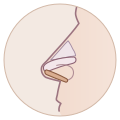
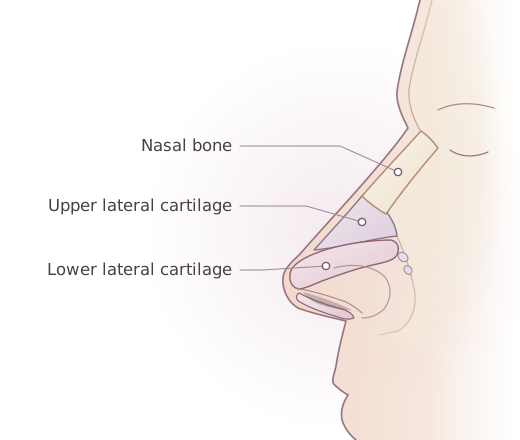
Illustration of the nose from the side showing the nasal bone, upper lateral cartilage and lower lateral cartilage that form its framework
Clinical Indications

When Should You Consult a Rhinoplasty Surgeon?

A consultation with a rhinoplasty surgeon may be helpful if you have concerns about the shape of your nose or experience breathing problems related to its structure.

1
Prominent nasal hump or uneven nasal bridge
2
Broad or asymmetrical nasal appearance
3
Drooping, bulbous or poorly supported nasal tip
4
Changes in nasal shape following an injury
5
Difficulty breathing through one or both nostrils
6
Structural problems involving septum or nasal valves
7
Concerns following previous nose surgery
8
A desire to understand whether nose reshaping is suitable

Not every nasal concern requires surgery. A detailed examination helps determine whether treatment is necessary and which options may be appropriate.

Patient Results

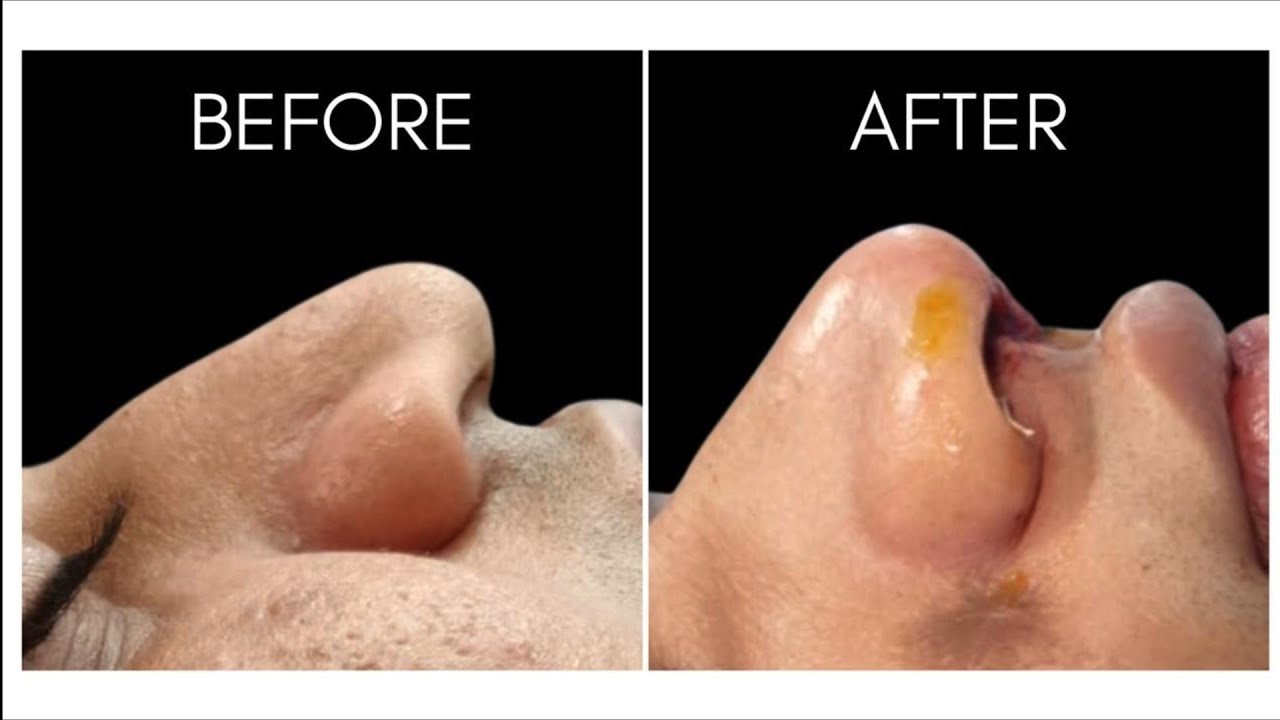
Rhinoplasty Before & After in Mumbai

A selection of rhinoplasty outcomes shared with patient consent. Every nose is different, and individual results will vary.

Rhinoplasty result, full size
Surgical Classifications

Types of Rhinoplasty Surgery in Mumbai

Rhinoplasty procedures differ according to the patient's anatomy, treatment goals and previous surgical history.

Side-profile illustration with the nasal bridge and tip highlighted, the external areas considered in cosmetic rhinoplasty Classification 01

Cosmetic Rhinoplasty

Cosmetic rhinoplasty focuses on changing the external appearance of the nose while considering its relationship with other facial features.

It may address:

  • A prominent nasal bridge or dorsal hump.
  • A broad nasal bridge or tip.
  • Nasal tip drooping or asymmetry.
  • Differences in nasal proportions.
  • Irregularities in nasal contour.
  • Cosmetic changes following nasal injury.
The proposed changes are discussed during consultation, including what can realistically be achieved and the possibility of residual asymmetry or other imperfections.
Side-profile illustration with an arrow showing air entering the nostril and passing back through the nasal airway Classification 02

Functional Rhinoplasty

Functional rhinoplasty addresses structural abnormalities that contribute to nasal breathing difficulties.

It may be considered for patients with:

  • Nasal valve narrowing or collapse.
  • Structural obstruction following an injury.
  • Nasal deformities affecting airflow.
  • Persistent breathing difficulties related to nasal support.
  • A deviated nasal septum requiring associated correction.
Depending on findings, it may be combined with septoplasty or valve reconstruction. Nasal blockage may also result from allergies or inflammation; an ENT examination is essential.
Side-profile illustration of the nasal cartilages with a cartilage support graft highlighted, representing the structural support assessed in revision rhinoplasty Classification 03

Revision Rhinoplasty

Revision rhinoplasty refers to further nasal surgery following an earlier rhinoplasty procedure.

Patients may seek assessment because of:

  • Persistent or new breathing difficulties.
  • Changes in nasal shape after previous surgery.
  • Nasal tip or bridge irregularities.
  • Structural weakness or asymmetry.
  • Cosmetic concerns that remain after healing.
Revision surgery may be more complex because previous procedures can alter cartilage, tissue support and scar formation. A careful assessment determines whether additional surgery is advisable.
Clinical Comparison

Cosmetic Rhinoplasty vs Functional Rhinoplasty

Although both procedures involve the nose, their primary objectives differ.

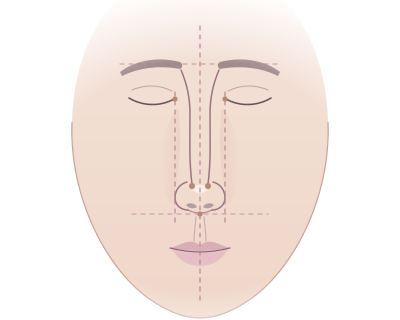
Front-view illustration of a face with guide lines showing the shape and proportions of the nose in relation to the eyes and facial midline
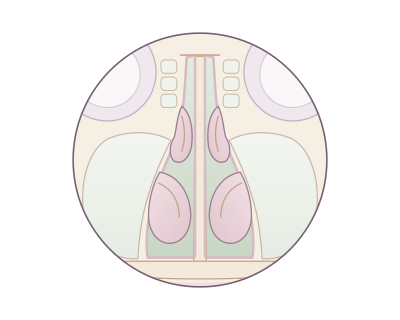
Cross-section illustration of the nasal airway showing the septum dividing the two nasal passages, the turbinates and the neighbouring sinuses
Cosmetic Rhinoplasty Functional Rhinoplasty
Primary Objective Focuses primarily on nasal appearance. Primary Objective Focuses primarily on nasal breathing.
Anatomical Focus May modify the bridge, tip or nasal proportions. Anatomical Focus May correct structural airflow obstruction.
Surgical Planning Planning considers facial balance and cosmetic goals. Surgical Planning Planning considers nasal anatomy and airflow.
Nature of Outcomes Changes are mainly appearance-related. Nature of Outcomes Changes are mainly function-related.
Combination Potential In some cases, cosmetic and functional corrections can be planned together during the same surgical procedure.
Consultation Protocol

How Does Dr. Varun Dave Evaluate Patients for Rhinoplasty?

A rhinoplasty consultation involves understanding the patient's concerns, examining nasal anatomy and discussing possible treatment options.

1

Assessment of Nasal Appearance

The external nose is examined to understand its shape, symmetry, proportions and relationship with the surrounding facial features.

2

Evaluation of Nasal Breathing

The internal nasal structures are assessed for possible causes of obstruction, including septal deviation, nasal valve problems or other conditions affecting airflow. Additional examination or investigations may be recommended when clinically indicated.

3

Review of Medical and Surgical History

Previous nasal injuries, operations, allergies, breathing problems and relevant medical conditions are thoroughly reviewed.

4

Discussion of Treatment Expectations

Patients can explain the changes they hope to achieve. The surgeon discusses which changes may be feasible, the limitations of surgery and potential risks.

5

Individualised Surgical Planning

If surgery is considered appropriate, the surgical approach is selected according to the patient's anatomy, functional needs and treatment objectives.

Surgical Journey

Rhinoplasty Surgery Procedure: What Happens?

The rhinoplasty procedure varies depending on whether cosmetic reshaping, structural correction or both are required.

Stage 01

Before Rhinoplasty Surgery

Preoperative preparation may include:

  • Detailed nasal and ENT examination.
  • Review of medical history and current medicines.
  • Assessment of nasal breathing.
  • Discussion of proposed changes.
  • Clinical photographs when appropriate and with consent.
  • Necessary investigations and anaesthesia assessment.
  • Explanation of surgical risks and postoperative care.

Patients are also informed about expected recovery and the possibility that further treatment may occasionally be required.

Stage 02

During Rhinoplasty Surgery

Rhinoplasty is commonly performed under general anaesthesia. Depending on the treatment plan, the surgeon may:

  • Reshape nasal cartilage.
  • Modify the nasal bones.
  • Adjust the nasal bridge or tip.
  • Correct structural septal abnormalities.
  • Reinforce nasal valve support.
  • Reposition or reconstruct selected structures.

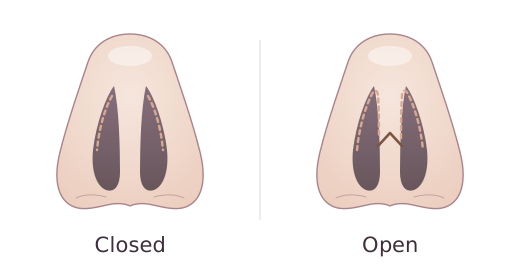
Open vs Closed: In closed rhinoplasty, incisions are generally placed inside the nostrils. Open rhinoplasty involves an additional incision across the columella. The choice depends on anatomy and complexity.

Illustration of the base of the nose comparing incision placement: in closed rhinoplasty the incisions are inside the nostrils, while open rhinoplasty adds a small incision across the columella
Stage 03

After Rhinoplasty Surgery

Following the surgical procedure:

  • Patients are monitored during the immediate post-anaesthesia recovery period.
  • A protective external nasal splint, internal supports or dressings may be used depending on the procedure.
  • Discharge timing and follow-up requirements depend on the extent of surgery, anaesthesia recovery and the patient's medical condition.
  • Clear medication instructions and follow-up schedules are provided prior to leaving the clinic.
Postoperative Care

Recovery After Rhinoplasty Surgery

Recovery following rhinoplasty varies from patient to patient. The extent of surgery, tissue characteristics and individual healing response influence the recovery process.

First Week

Initial Healing & Splint

Swelling, nasal congestion, bruising and mild to moderate discomfort may occur. A nasal splint may remain in place for approximately one week, depending on the surgical plan.

1–2 Weeks

Bruising Subsidies

Bruising and visible swelling generally begin to improve. Many patients can gradually resume routine, non-strenuous activities according to their surgeon's advice.

3–6 Weeks

Ongoing Tissue Healing

Healing continues, although some swelling may remain. Restrictions on strenuous exercise, contact sports and pressure on the nose should be followed as instructed.

Following Months

Final Nasal Definition

The nose continues to settle as deeper swelling reduces and tissues adapt. Final nasal appearance may take 12 months or longer to develop, particularly around the tip or following complex procedures.

These are general recovery estimates, not guaranteed timelines.

Precautions During Recovery

Patients are generally advised to:

  • Follow prescribed medicines and postoperative instructions.
  • Avoid pressure or injury to the nose.
  • Keep the head elevated when advised.
  • Avoid strenuous activities until cleared.
  • Attend scheduled follow-up appointments.
  • Contact the treating team if unusual symptoms develop.
Illustration of a person resting with the head and upper body raised on an inclined pillow, wearing a protective nasal splint during recovery

Heavy bleeding, fever, worsening pain, significant breathing difficulty or other concerning symptoms require prompt medical assessment. Always contact the clinic coordination team immediately if any unexpected symptoms emerge.

Clinical Considerations

Benefits, Risks & Candidacy Criteria

Medical evaluation ensures patients possess realistic expectations, understand surgical limitations, and are fully informed before making decisions.

Clinical Potential

What Are the Possible Benefits?

Depending on the condition being treated, rhinoplasty may offer improvements in nasal appearance, structural support or breathing:

  • Changes in nasal shape and proportions.
  • Correction of selected nasal asymmetries.
  • Reshaping of the nasal bridge or tip.
  • Correction of certain post-traumatic deformities.
  • Improvement in airflow when structural obstruction is addressed.
  • Greater satisfaction with nasal appearance for some patients.
Clinical Limitation: Results vary, and rhinoplasty cannot guarantee a particular appearance, perfect symmetry or complete relief from breathing problems.
Surgical Safety

Risks and Limitations of Surgery

Like other surgical procedures, rhinoplasty involves risks that should be understood before deciding:

  • Bleeding or infection.
  • Persistent swelling or numbness.
  • Scarring or delayed wound healing.
  • Residual nasal asymmetry.
  • Changes in nasal sensation.
  • Persistent or new breathing difficulties.
  • Dissatisfaction with the cosmetic result.
  • Need for revision surgery in selected cases.
  • Risks associated with anaesthesia.
The likelihood of these risks depends on individual circumstances and complexity. A detailed consultation discusses alternatives and precautions.
Patient Suitability

Who May Be a Suitable Candidate?

Rhinoplasty may be considered for individuals with specific cosmetic or structural concerns who are medically suitable:

  • A clearly identified nasal concern.
  • Realistic expectations regarding surgical results.
  • Adequate physical health for the proposed procedure.
  • Sufficient nasal and facial growth maturity.
  • An understanding of recovery requirements.
  • Willingness to follow postoperative instructions.
For younger patients, facial growth maturity requires attention. Patients with active nasal disease or uncontrolled medical conditions may require prior treatment.
Financial Transparency

Rhinoplasty Surgery Cost in Mumbai

The cost of rhinoplasty surgery in Mumbai varies according to the complexity of the procedure and the facilities required.

Factors that may affect the overall cost include:

Type of Rhinoplasty

Cosmetic, functional, or revision rhinoplasty requirements vary in surgical scope and duration.

Cartilage & Bone Correction

Extent of structural reshaping, osteotomies, and grafting needed for stability.

Surgical Complexity

Open versus closed surgical technique, tissue scarring, and anatomical intricacy.

Hospital Facilities

Hospital operating theatre charges, day-care admission, or inpatient nursing care.

Anaesthesia & Care

Anaesthetist fees, specialized monitoring, and preoperative investigations.

Reconstruction Scope

Need for additional reconstructive procedures such as septoplasty or cartilage graft harvesting.

Personalised Cost Estimation: A personalised cost estimate can be discussed after clinical evaluation and treatment planning.

Insurance Guidance: Insurance coverage may vary depending on whether the procedure is cosmetic, medically necessary, or related to injury. Patients should confirm eligibility with their insurer.

Professional Background

Why Consult Dr. Varun Jitendra Dave for Rhinoplasty in Mumbai?

Selecting a rhinoplasty surgeon involves considering the doctor's qualifications, relevant clinical training, approach to nasal function and ability to explain realistic outcomes.

Decade of ENT Experience

More than a decade of dedicated ENT clinical experience evaluating nasal, otologic, and head-and-neck conditions.

India & UK Clinical Exposure

Clinical exposure across healthcare systems in both India and the United Kingdom, adhering to rigorous surgical governance.

Nasal Anatomy & Function

Comprehensive foundation in both the visual architecture of the nose and the delicate aerodynamics of the internal nasal valves.

NHS England Certification

Stated professional credentials include NHS England certification to independently perform cochlear implants and rhinoplasty.

Cosmetic & Functional Balance

Thorough evaluation of external aesthetic contours simultaneously with nasal airway patency for stable, enduring outcomes.

Individualised Surgical Planning

Transparent communication regarding surgical limits, recovery milestones, and alternatives tailored to each patient.

Patients considering rhinoplasty can consult Dr. Varun Dave to discuss the suitability of surgery, possible approaches, recovery and treatment-related risks.

Schedule a Consultation in Mumbai
Patient Education

Frequently Asked Questions About Rhinoplasty Surgery

Clinically verified answers to common patient questions regarding rhinoplasty procedures, recovery, and consultation in Mumbai.

1. Who is a rhinoplasty surgeon?

A rhinoplasty surgeon is a medical specialist with appropriate surgical training and experience in procedures that reshape or reconstruct the nose. Rhinoplasty may involve cosmetic changes, correction of structural abnormalities or improvement of nasal breathing.

2. What is the cost of rhinoplasty surgery in Mumbai?

The cost depends on the surgical complexity, type of rhinoplasty, hospital facilities, anaesthesia and other treatment requirements. An individual estimate can be provided after consultation and examination.

3. Can an ENT surgeon perform rhinoplasty?

An ENT surgeon with appropriate training and competence in nasal surgery may perform rhinoplasty. Patients should discuss the surgeon's relevant qualifications, training and experience before deciding on a procedure.

4. Is rhinoplasty only performed for cosmetic reasons?

No. Rhinoplasty may also address structural problems affecting nasal breathing or deformities following injury. Some procedures combine cosmetic and functional correction.

5. How long does rhinoplasty recovery take?

Initial swelling and bruising often improve over the first few weeks. However, complete healing and final nasal refinement can take 12 months or longer. Recovery varies according to the procedure and individual healing.

6. Will rhinoplasty make my nose look artificial?

Rhinoplasty planning considers facial proportions, existing anatomy and the patient's preferences. A natural-looking result may be a treatment goal, but the final appearance cannot be guaranteed.

7. Can rhinoplasty improve breathing difficulties?

Functional rhinoplasty may improve breathing when structural abnormalities, such as nasal valve problems, contribute to obstruction. Not every breathing problem requires rhinoplasty, so an ENT evaluation is important.

8. What is the difference between rhinoplasty and septoplasty?

Rhinoplasty changes the external shape or supporting structure of the nose. Septoplasty primarily corrects a deviated nasal septum to address certain breathing problems. Both procedures may be performed together when indicated.

9. Is rhinoplasty surgery painful?

Rhinoplasty is commonly performed under general anaesthesia. During recovery, patients may experience discomfort, swelling and congestion. Pain management and postoperative care are discussed before surgery.

10. Are rhinoplasty results permanent?

Structural changes made during rhinoplasty are generally long-lasting. However, the nose can continue to change with ageing, healing, injury or other factors. Final results may differ from expectations.

11. Can rhinoplasty correct a crooked nose?

Rhinoplasty may help correct certain nasal deviations caused by structural asymmetry or injury. The extent of correction depends on the underlying anatomy, and perfect symmetry cannot be assured.

12. How do I book a rhinoplasty consultation with Dr. Varun Dave in Mumbai?

You can contact Dr. Varun Jitendra Dave's clinic at +91 87790 87648 to enquire about rhinoplasty consultation appointments at Vile Parle, Andheri East or Andheri West.

Practice Clinics

Rhinoplasty Consultation Locations in Mumbai

Dr. Varun Jitendra Dave provides consultations at the following Mumbai locations. Patients from Vile Parle, Andheri, Juhu and surrounding areas of Mumbai can contact the clinic to confirm consultation availability.

Location 01

Vile Parle West

Studio Aesthetique

1, Home Worth, 7th Cross Road, Gulmohar Colony, JVPD Scheme, Vile Parle (W), Mumbai – 400049.

Location 02

Andheri East

Kiran Care and Cure Hospital

Sankalp Building, Mistry Complex, Sahar Airport Road, J. B. Nagar, Andheri East, Mumbai – 400059.

Location 03

Andheri West

Bellevue Multispeciality Hospital

The Link, 1st Floor, Opposite D. N. Nagar Metro Station Gate No. 3, Next to Audi Showroom, Andheri West, Mumbai – 400053.

Video Library

Rhinoplasty Videos by Dr. Varun Dave

Educational videos on rhinoplasty and nose surgery from Dr. Varun Dave's official YouTube channel.

Appointments

Book a Rhinoplasty Consultation in Mumbai

If you are considering nose reshaping surgery or experiencing nasal breathing difficulties, a clinical evaluation can help you understand your condition and available treatment options.

Consult Dr. Varun Jitendra Dave to discuss nasal anatomy, cosmetic concerns, functional problems and the suitability of rhinoplasty.

Dr. Varun Jitendra Dave, ENT Consultant & Rhinoplasty Surgeon

Dr. Varun Jitendra Dave

ENT Consultant & Cochlear Implant Specialist

Clinical experience across India & UK
Consultation Locations:
Vile Parle West Andheri East Andheri West, Mumbai